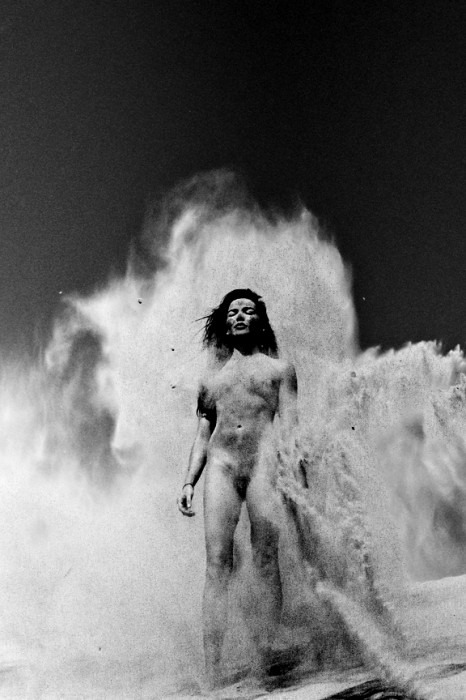
From Bedu
Jim Mangan
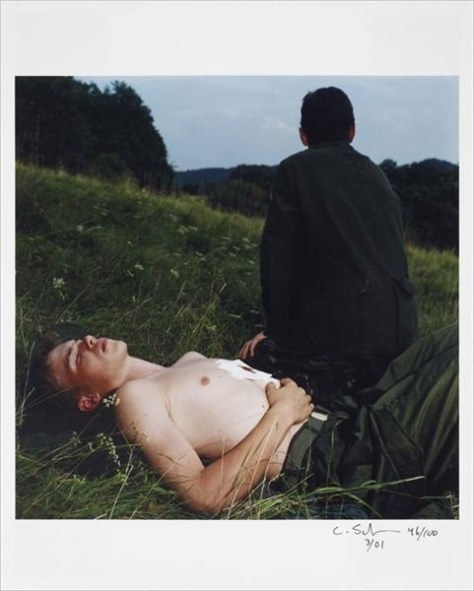
by Collier Schorr
like that……
when I think of how much I want you a feeling of inconceivable longing passes through my body. I am a becoming desire. I cease to exist as a mind, and begin to exist as a possibility.
love is driving me. making me. motivating me. I want you.
I feel like this! #sexy #summer #love
There is no real, there never was a real. Seduction knows this and preserves its enigma
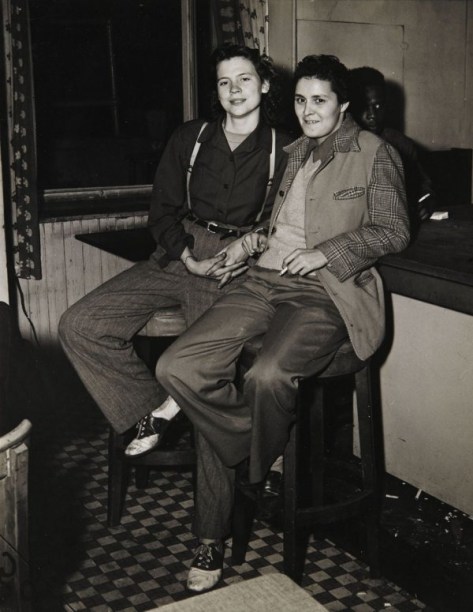
Weegee, “Girls at the Bar,” 1946.
This image was captured by photojournalist Weegee in Greenwich Village and originally published in his book The Naked City. While the Village became notorious as a lesbian gathering place by the 1920s, it is often associated with middle-class feminism and groups such as The Heterodoxy Club. This photo instead reflects a working class, possibly racially integrated space, which was less likely to be documented by mainstream journalists.
The placement of the women’s hands is deceiving and while they are not holding hands, their body language and expressions suggests a closeness as well as a comfortability with themselves and their surroundings. While wearing pants and clothing associated with men became more acceptable for women during World War II, to go out in public in such outfits at the time was still a bold decision.
As Alan Berubé argues in his book Coming Out Under Fire, World War II played a crucial role in the creation of gay and lesbian communities, in coastal cities specifically, bringing together men and women from all over the country who were able to enact new types of relationships away from the prying eyes of their families and neighbors. This photo captures the end of this era before the postwar turn to McCarthyism and its virulent homophobia made life for the “girls at the bar” even more repressive.


 TESS TENNESSEE MILLER